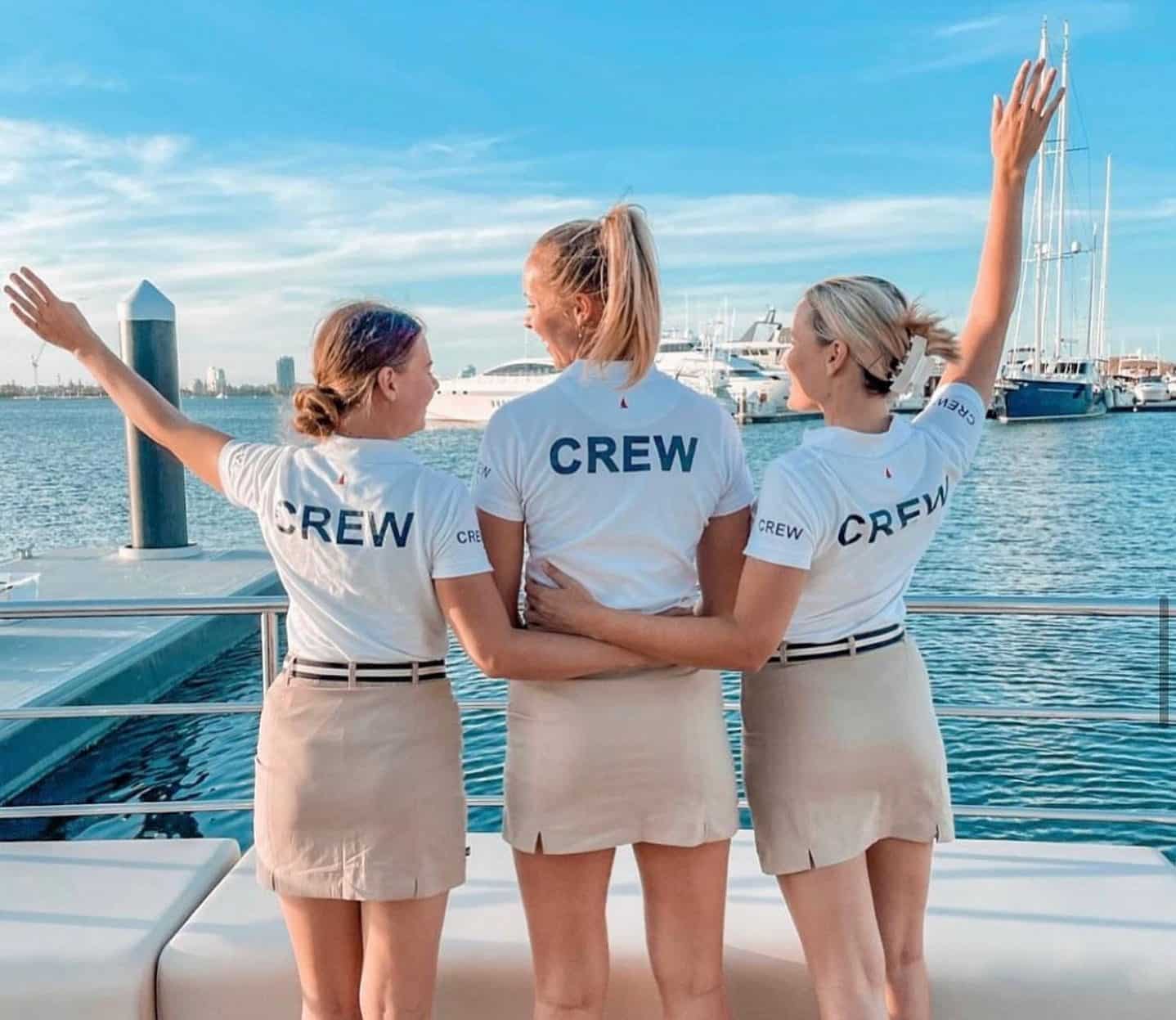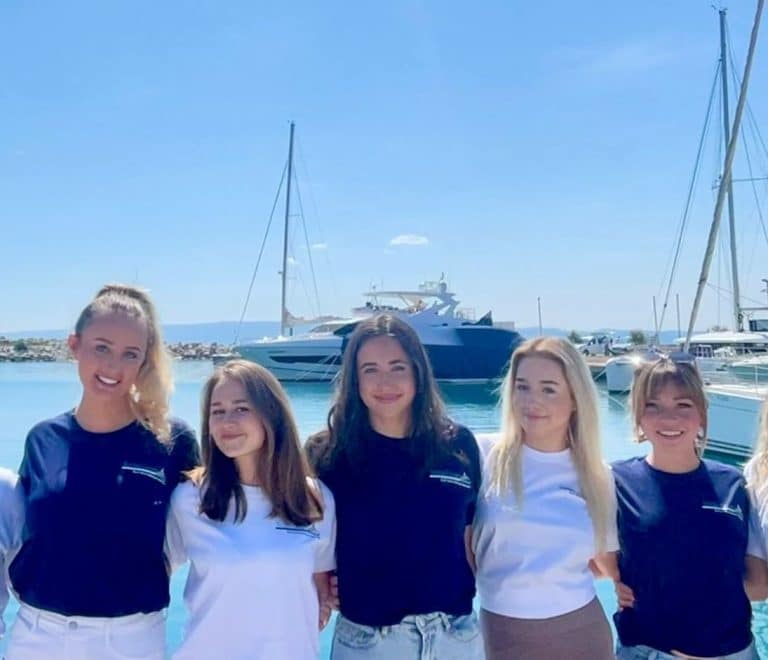
A good stewardess guarantees the guests have the most delightful time heading the vessel. You get a lot in exchange for the long hours, including visiting widely varied places, resting in beautiful spots, having a lively social life, and getting good pay.
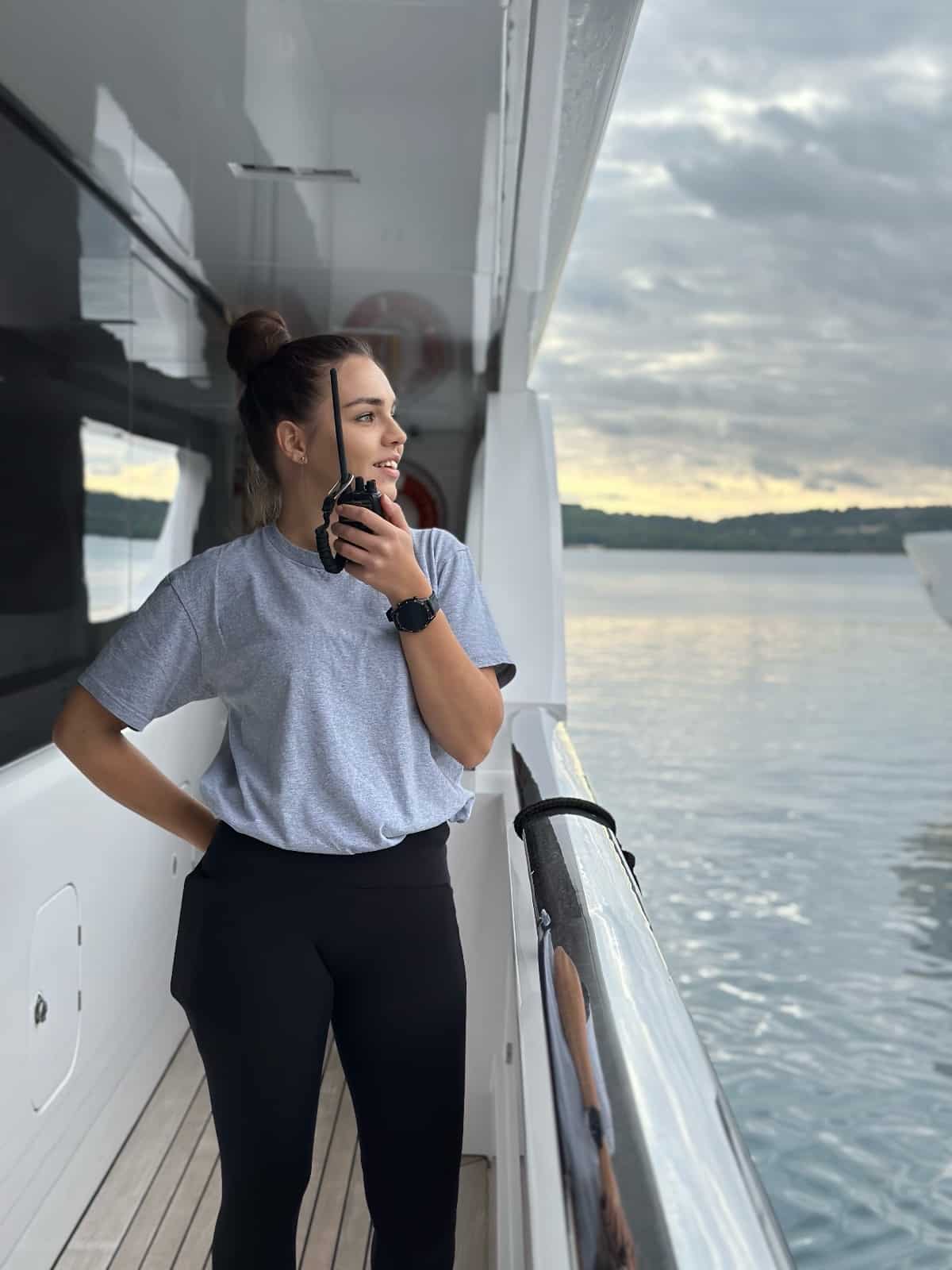
Key steps to Become a Yacht Stewardess in Australia
I’m sure you’re just as eager as I am to know what responsibilities and skills are essential in handling the position of yacht stewardess in Australia—the most glamorous and unique job on earth. Let’s dive in!
1. Get to know Job Description and create a CV
Being a stewardess on a superyacht is a very diverse career. Imagine being a housekeeper, a waitress, a safety officer, a guest relations manager, a butler, a laundress, and a florist all wrapped up in one. Thus, you should know the role description to differentiate between what you have in mind and the working reality. A superyacht crew resume is structured differently compared to a normal CV. Create an organized and perfect yacht CV in order to become a yacht stewardess in Australia. Your CV has to demonstrate that you are an expert, especially in the field related to the job in question. Therefore, this document has to include experience, certifications, skills and any additional qualifications including the knowledge of foreign languages. Highlight your specialization area in your resume and pinpoint the qualities that make you a suitable candidate for a yacht stewardess position.
2. Network and Make Connections
Networking is so important in the growing yachting industry. You never know who could turn out to be valuable connections in the future. Socialize with the people you meet at the training sessions. Attending industry events, joining professional communities, and networking with proven yacht crew members will provide a clearer vision of available job opportunities. Through ‘everybody knows everybody’ and ‘a friend-of-a-friend,’ the job is mostly secured.
3. Look like yacht crew
Becoming a good yacht stewardess requires being energetic, enthusiastic, and presentable. Make sure that you observe the small things, understand guests’ needs, and do more than they expect. A smile, an excellent attitude, professionalism, and a friendly personality will provide excellent service. It is these small but not insignificant details that make a huge difference in how guests feel about their overall cruise time.
4. Learn key Yacht Stewardess skills Know – Mandatory Yacht Stewardess Training
It is now time to stir up some wonderful beverages. From margaritas to martinis, you’ll need to learn how to make a whole range of mouth-watering cocktails. Some visitors want to smoke cigars and pipes, so having such knowledge is important to you. Also, some people don’t want alcohol, so you must be able to create some non-alcoholic wonderful drinks such as special types of tea and coffee. Food service is an art on a superyacht, and you are the maestro who makes it all work. Be it an elegant silver service or a more casual buffet setup, a stewardess plans table settings and manages orders under the head chef’s and chief stewardess’s directions. Whether it’s American, English, or Russian service, a stewardess should have a well-established reputation for catering to every style. It is about creating one-of-a-kind seafaring moments that your guests will remember long after the journey is over. For a harmonious and safe atmosphere on every superyacht, the crew should have all required certificates, including mandatory and department-specific qualifications. All interior crew members need to hold STCW Basic Training Certification, including Security Awareness or Security Duties, Food and Hygiene Level, and other courses that consider their job role and vessel type.
5. Get an ENG1 Medical Certificate
Performance yachts can be a productivity-draining job. The crew’s physical wellness, productivity, and ability to effectively stay at sea are major components of crew and guest safety. In order to work on the superyacht, you will have to obtain an ENG1 Medical Certificate as the qualification requirement. As MCA gives the certification, the exam must be performed by an MCA-approved doctor. You are likely to fail your medical if you have color blindness, lung disease, asthma, allergies, drug addiction problems, heart problems, epilepsy, and diabetes.
6. Get the Required Visas and Documents
Obtaining a visa becomes necessary if one wants to travel to super yachting destinations for interviews. Getting the right visa in the country where you want to work is very important. Consider the type of visa and rules when looking for job opportunities in Australia.
7. Continue Acquiring Additional Stewardess Skills
The yachting industry is evolving rapidly. So, it’s better to stay tuned to the trends, regulations, and practices currently in the market. Think about getting more training or certificates to improve your achievements. These include flower arranging, table setting, barista, cooking, boat driving experience, and childcare & teaching. Additionally, training programs are not the cheapest, but it is vital to invest in yourself. 
Australia? follow us now.
Reach Out To Yachtiecareers for All Inclusive Yacht Training
At Yachtie Careers, we’re your crewing partners who have walked the same miles you have. We carefully pay attention to detail in all of our placements to match your skillset, personality, and overall career objective. We connect you to agents, yachts, and our network to land your first yacht job faster. We thrive in success, being the number one. If you don’t like it, we have a 7-day money-back guarantee. Become a Yacht Stewardess in Australia within a few weeks, not months.
Final Thoughts on How to Become a Yacht Stewardess in Australia
Last but not least, to become a successful stewardess, you must rise to the challenge of performing myriad tasks, including food and beverage service, housekeeping, health and safety, and manners. Practice the art of self-presentation, and don’t be afraid to be yourself during the interviews. Put your personality, professionalism, and dedication on display.
What Does a Yacht Stewardess Actually Do?
A yacht stewardess manages the interior of the vessel — guest service, housekeeping, dining, and hospitality. On larger yachts you specialise. On smaller yachts you do everything. A typical day during charter includes: turning cabins, setting up for breakfast service, running laundry, preparing for dinner service, serving guests, and maintaining the interior to five-star hotel standard. The work is relentless during charter but the rewards — tax-free salary, free accommodation, travel — are real.
7 Most Important Things to Become a Yacht Stewardess
1. Get Your STCW Basic Safety Certificate
Non-negotiable. No captain will hire you without it. STCW covers firefighting, first aid, survival at sea, and safety procedures — 5 days, valid for 5 years globally. Most Australian crew train in Croatia or the UK where costs start from €849. Full STCW Australia guide.
2. Consider a Stewardess Course
STCW gets you on board. A dedicated stewardess course gets you hired faster and into better yachts sooner. Our stewardess training covers silver service, wine knowledge, table setting, cocktail preparation, and interior management — the skills captains and chief stewardesses actually look for. Australian students who complete both STCW and stewardess training consistently get their first position 2–4 weeks faster than those who only have STCW. Full stewardess training package here.
3. Register With Crew Agencies
Register with at least 3 agencies the same week you receive your STCW certificate. Don’t wait. Best crew agencies to register with.
4. Learn Basic Hospitality Skills Before You Start
We offer yacht on-board training in Split over 10 days where we make you ready for your first yacht job. If you have never worked in hospitality before, spend a few weeks in a restaurant or hotel before your first season. Silver service, wine service, and table setting are skills you can learn quickly and they make an enormous difference to how quickly you get hired.
5. Go to Where the Yachts Are
This is the step most Australian stewardesses skip. They complete training and wait at home. The ones who find work in 4–6 weeks go to Palma de Mallorca, Antibes, or stay in Split after STCW training and walk the docks with their CV. Airlie Beach has some opportunities but 90% of superyacht stewardess positions are in the Mediterranean. Full dockwalking guide.
6. Be Flexible on Your First Contract
Your first contract will not be your dream job. Say yes to everything that gets you sea time. A 35m yacht in Turkey is not glamorous but it builds the experience that gets you onto a 60m yacht in the Caribbean next season.
7. Build Your References From Day One
References from captains and chief stewardesses are worth more than any certification. On every contract, work harder than expected, ask questions, and ask for a written reference when you leave. We provide you with a professional written reference for your first job.
How Much Do Yacht Stewardesses Earn in Australia?
- Junior Stewardess: €2,000–€2,500/month tax-free + tips + free accommodation and food
- Stewardess: €2,500–€3,500/month
- Chief Stewardess: €4,000–€7,000/month
Tips on charter yachts can add €500–€2,000 per charter. Full stewardess salary guide here.
How Long Does It Take to Get a Yacht Job from Australia?
- Week 1–2: STCW + stewardess course
- Week 2–3: ENG1/AMSA medical, CV, agency registration
- Week 3–6: Dockwalk in Split, Palma, or Antibes
- Average: 4–8 weeks for Australian crew who follow all steps
Updated May 2026: What We Now Tell Every Australian Student
By Antonija, Chief Stewardess — 10+ years on 50m superyachts After training dozens of Australian students over the past year, these are the things we wish we’d told them sooner.
1. You don’t need Australian yacht experience to get hired
Most Australians assume they need to start locally — day boats in the Whitsundays, ferries, charter work. You don’t. Superyacht captains hiring entry-level stews care about one thing: STCW certificate, clean appearance, and willingness to start immediately. Your nationality is actually an asset in the Med — Australian passport holders are easy to crew because you get 90 days Schengen without a visa.
2. Your first job will probably pay €2,000–€2,500/month
That’s the realistic entry range on 30–40m yachts in 2026. All-inclusive — accommodation, food, flights home at end of season. Don’t compare this to Australian wages — factor in zero living costs and you’re saving most of it.
3. Chief Stews are hiring based on attitude, not experience
On smaller yachts, the Chief Stew makes the hiring call. They’re not looking for someone who knows how to fold napkins — they’re looking for someone who won’t cause drama in a 60-foot boat for 6 months. Your interview should show you’re easy to work with, not that you memorised the WSET wine list.
4. Instagram is not a CV
We see Australian applicants spending time building a “yachting content” profile. Captains and Chief Stews do not look at this. They look at a 1-page CV and one reference. Keep it simple. Our stewardess training course includes a CV template that actually gets responses.
5. The 90-day Schengen limit is manageable
Australia has no working holiday visa for France, Spain, or Monaco — so technically you’re on a tourist visa. In practice, most stews on Australian passports do 90 days, fly to a non-Schengen country (UK, Turkey, Montenegro) for a few weeks, then return. It’s not ideal but it’s standard practice and the industry runs on it.
6. Don’t wait until you’re “ready”
The students who get hired fastest are the ones who book their STCW course and buy their flight before they feel ready. Waiting 6 months until you “save more money” or “do more research” just means you start 6 months later. The full training package takes 10 days.
Where Australian Stewardesses Actually Find Work — The Full Geographic Guide
Australia has a yachting scene but the reality is that 90% of superyacht stewardess positions are outside Australia. The good news: Australian and Kiwi stewardesses are among the most hireable nationalities in the industry. Captains and chief stewardesses consistently report that Australian crew are professional, calm under pressure, and have strong hospitality instincts from working in Australian restaurants, hotels and resorts. That background converts directly into superyacht stewardess work.
Some options in Australia for yachting
If you want to build sea time before committing to a season abroad, Australia has options. They are limited compared to Europe but they are real starting points.
- Airlie Beach and the Whitsundays — the strongest local option. Day work and short stewardess contracts on charter yachts are available year-round. Dockwalk the Coral Sea Marina and Port of Airlie. Standards are lower than superyachts which makes this a practical way to build your first references.
- Sydney Harbour — private yachts and corporate charter vessels. The hospitality standards here are high given the client base, which is good experience for superyacht work.
- Hamilton Island — resort-connected yachting, strong demand for interior crew during regatta season. Worth contacting local charter operators directly.
Australian experience helps but it is not required. Most of our students go straight from stewardess STCW training in Europe to their first superyacht contract without any prior sea time. The certifications matter more than local experience for getting your first international position.
Europe — Where Australian Stewardesses Build Their Careers
Europe is where the largest superyachts in the world operate during summer and where the most respected stewardess careers are built. For Australian crew serious about a long-term interior career — progressing from junior stewardess to second stew to chief stewardess — Europe is the centre of that progression.
Why complete your training in Europe: Our full stewardess STCW training in Split, Croatia covers all mandatory certifications in 10 days and puts you in the Mediterranean immediately after qualifying — already in the region where captains and chief stewardesses are actively hiring. Accommodation in Split during training is arranged, and the cost of living while you job search is among the lowest in Europe.
The key European hubs for stewardess careers:
- Split and Dubrovnik, Croatia — the fastest-growing superyacht market in the Med and where Yachtiecareers is based. ACI Marina Split has strong dockwalking access. Many Australian stewardesses get their first offer before the training week ends.
- Palma de Mallorca, Spain — the most important crew placement hub in the world. More superyachts winter in Palma than anywhere else. The Club de Mar is the primary dockwalking location. Every serious stewardess candidate should spend at least one week dockwalking in Palma.
- Antibes and Monaco, France — home to the Monaco Yacht Show and the highest concentration of 60m+ superyachts in the world. Chief stewardess positions on these vessels are among the most prestigious in the industry. Junior stewardess positions here pay above average and the tip income is significantly higher than on smaller vessels.
- Athens and the Greek Islands — Greece has expanded dramatically. The volume of charter yachts operating out of Athens and the Cyclades creates consistent demand for trained interior crew, particularly through summer.
- Barcelona and the Italian Riviera — Barcelona is growing fast as a superyacht base. Porto Cervo in Sardinia hosts the most exclusive private fleet gathering in the Med each August.
Read our complete guide to yacht crew visas in Europe to understand Schengen rules and what documents you need before your first European season. Antonija’s advice: the stewardesses who build the fastest careers are the ones who treat their first season as a learning season — not a pay cheque season. Take every opportunity to watch how the chief stewardess runs service, how table settings are done, how guests are managed. The technical skills from your STCW and certifications get you the job. What you observe in your first season gets you promoted. Australian crew who commit to this mindset consistently move from junior to second stewardess within two seasons. Every student who got hired within weeks of completing training did the same things: completed STCW before leaving, had a one-page CV ready, flew to Palma or Antibes (not Fort Lauderdale for a first job), and said yes to the first offer even if it wasn’t perfect.
Ready to Start?
- Superyacht Stewardess Training — full package
- STCW Basic Safety — what’s included
- Complete stewardess job guide
Questions before booking — contact us. Our team responds within 24 hours. everything you need before you fly out — STCW, service training, CV, and direct support from our instructors who’ve hired crew themselves. We trained 20+ Australian stews last year.