If you’ve ever dreamed of traveling the world, meeting amazing people, and getting paid to work on a luxury yacht – becoming a yacht stewardess and completing your Yacht Stewardess training in order to find your first yacht Stewardess job might be exactly the adventure you’re looking for. Wether you are from UK, US, Europe, Scandinavia or Australia there is a clear path to follow.
So how do you actually land that first stewardess job? What certificates do you need? And how do you stand out among other green crew? Let’s walk through it together — step-by-step — so you know what to expect and how to make it happen.
What Does a Yacht Stewardess Actually Do?
Think of the stewardess role as luxury hospitality — but floating at sea. You’re there to make the guest experience exceptional, all while working closely with your team to maintain the interior of the yacht.
Typical responsibilities include:
- Detailing cabins and guest areas
- Serving meals, drinks, and setting formal tables
- Laundry and garment care
- Flower arranging, event setups, and more
It’s glamorous, yes — but also physically demanding. The best stews are calm, positive, and ready to learn every day.
Can You Become a Yacht Stewardess With No Experience?
Yes — you can become a yacht stewardess with no previous yacht or maritime experience, and thousands of crew do it every year. In fact, many successful stewardesses come from, Hospitality, customer service, retail, aviation, events, Au-Pair, beauty and these are all great transferable skills on a Yacht Stewardess CV that Captain and Chief Stewardesses value. Other character traits needed are attention to detail, time management, and guest-relations confidence. What matters far more than experience is attitude, work ethic, and being genuinely interested in working on board in a team.
That said, it’s important to separate reality from Below Deck and social media. Entry-level yacht stewardess roles involve long hours, physical work, shared cabins, and high expectations — especially in your first job. It’s not constant luxury or travel photos. Those who succeed are the ones who understand the demands of the role, invest in the correct training, show up humble and proactive, and treat yachting as a professional career rather than a lifestyle fantasy.
What Qualifications Do You Need to Be a Yacht Stewardess?
Becoming a yacht stewardess does not require years of maritime experience or formal qualifications — but there are specific STCW and yacht crew certifications you must have before you can legally work on board. Beyond that, additional Yacht on board courses, that also includes Yacht Stewardess Online training can improve your chances, while many “requirements” are myths.
Mandatory Certificates for a Yacht Stewardess (STCW, ENG1, Food Hygiene Level 2)
There are some non-negotiable qualifications required to work as a yacht stewardess:
-
STCW Basic Safety Training
This is a mandatory international safety certificate covering firefighting, first aid, personal survival techniques, and onboard safety responsibilities. Without a valid STCW, you cannot be employed on a commercial yacht, regardless of experience or attitude. -
ENG1 Medical Certificate
The ENG1 is a seafarer medical exam that confirms you are fit to work at sea. It must be completed with an approved maritime doctor and is required by yacht captains and flag states before employment.
If you do not have both of these, you are not ready to work on board a yacht — and most crew agents will not shortlist you. Most employers also expect: Proficiency in Security Awareness, Personal Designated Security Duties and Food Hygiene Level 2. (As a yacht stewardess, you may be responsible for service. This certificate ensures that you have the knowledge to handle food safely).
Recommended Yacht Stewardess Interior Courses
While not legally required, interior-specific training or STCW Yacht Stewardess on-board training significantly improves your chances of getting hired, especially for your first junior Stewardess role.
Commonly recommended courses include:
-
Interior or stewardess introduction courses
-
Housekeeping and laundry standards
-
Food and beverage silver service
These courses help you understand yacht-specific expectations, terminology, and workflows — which is valuable if you’re coming from hospitality, cruise ships or customer service backgrounds. They don’t replace experience, but they reduce the learning curve and make you more confident and employable during interviews and daywork.
Look for Stewardess training that’s MCA-accepted and focused on yacht crew careers — not just generic maritime courses. Yachtiecareers offers one of the most popular all-in-one packages including:
- STCW + Stewardess Interior training
- A professionally written yacht CV
- Stewardess Yacht on board Training
- ENG1, PDSD, Food Hygiene and additional STCW courses for Large yachts.
- Access to a private yacht crew community
What You Do Not Need (Common Myths)
There is a lot of misinformation around yacht stewardess qualifications. You do not need:
-
Previous yacht or maritime experience, A maritime degree or college qualification, Fluency in different languages and Expensive luxury hospitality certifications.
Yacht captains and Chief stewardesses hire for attitude, work ethic, and preparation, and expect Junior crew to learn on board while working hard with the team. Being legally STCW qualified, and have the right industry knowledge and introduction with a professionally attitude matters far more than ticking unnecessary certificates.
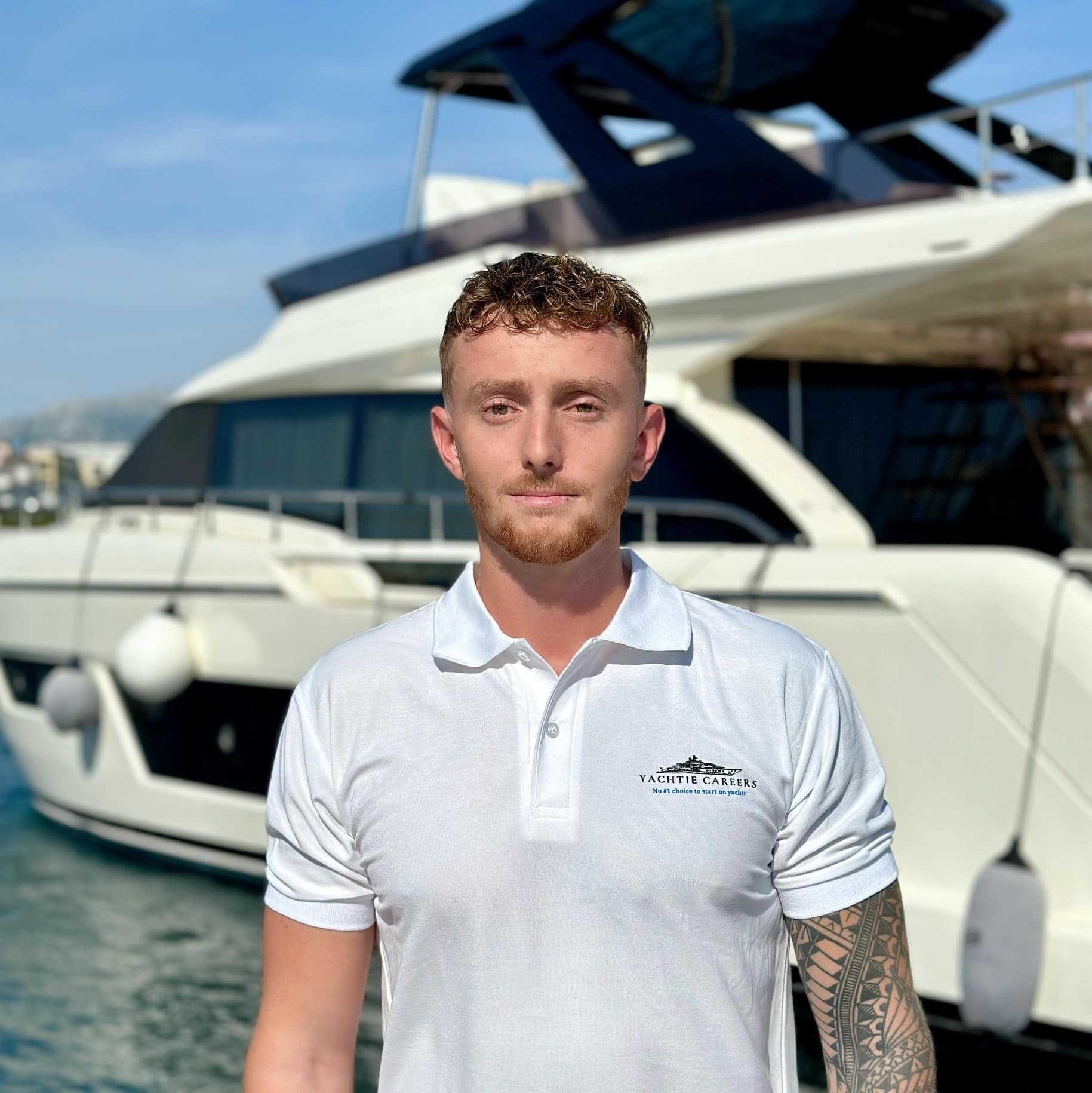
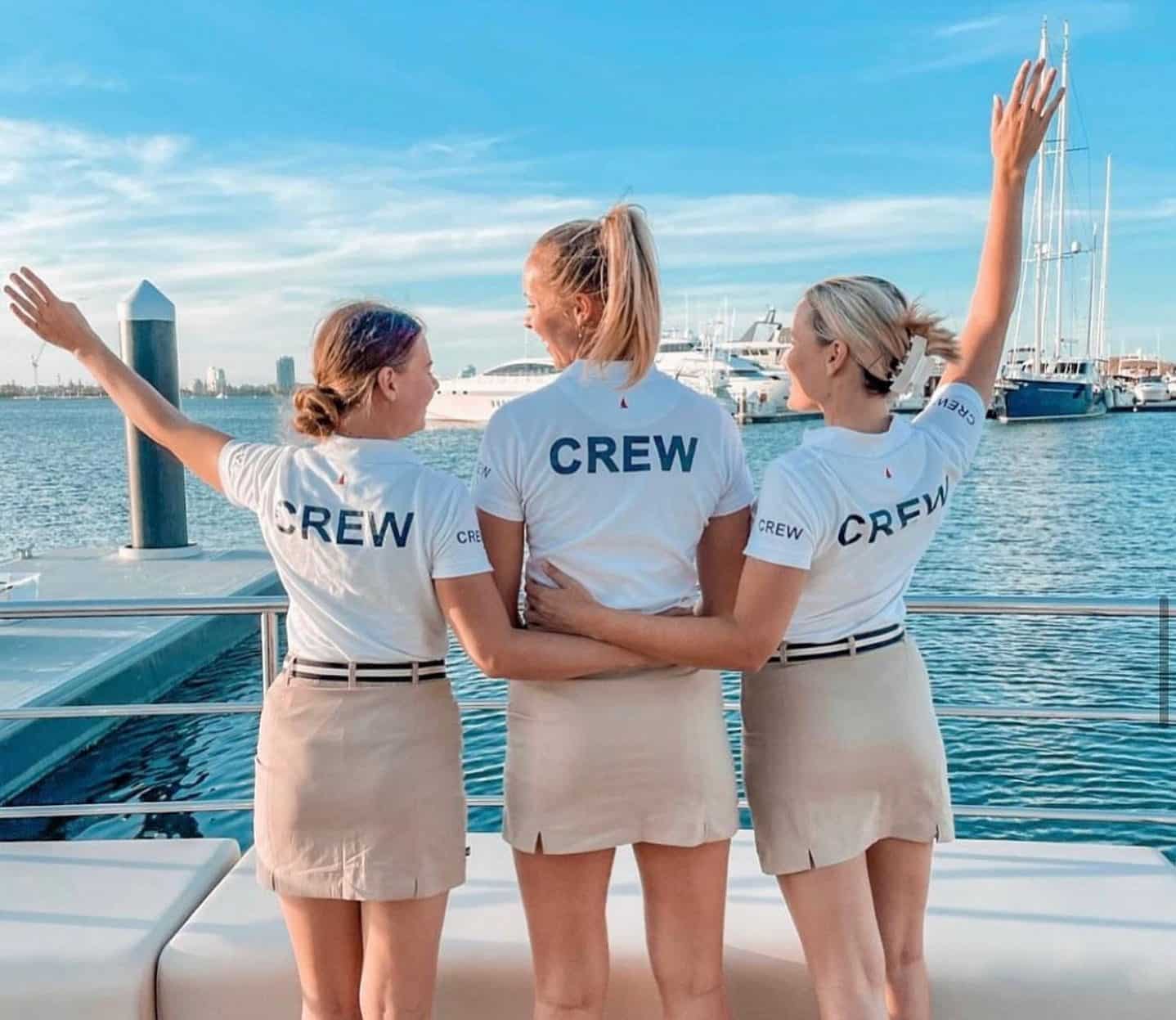
First impressions matter, so dress like other yacht crew for your interview. Tidy hairstyle, light makeup, and a polished appearance. Wear a polo shirt paired with a skirt, skort, or shorts in navy, black, or beige.
How to Prepare Your Yacht Stewardess CV
Your Stewardess CV is often the first and only chance you get to make an impression. Yacht captains and chief stewardesses skim many CVs quickly, looking for clarity, professionalism, and relevance. A strong yacht stewardess CV is simple, clean, and easy to scan and can be written by Yacht Crew experts with experience.
CV Layout & Photo Standards
A yacht Stewardess CV needs to follow industry formatting and include:
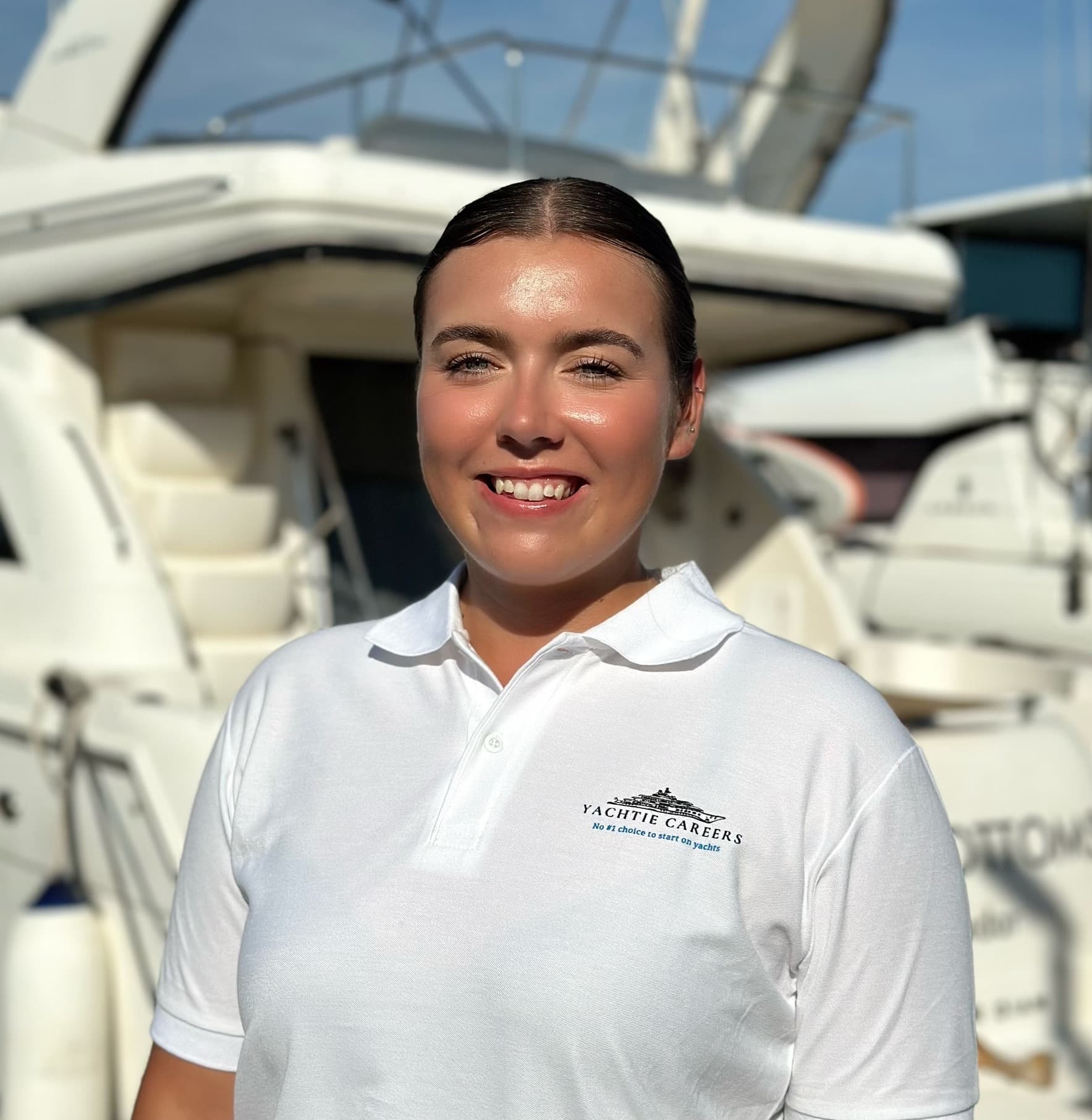
- CV Photo (smiling, professional)
Neutral background, Natural makeup and tidy hair, Polo or plain top (not casual, not glamorous). You should always look like a Yacht Crew member.
- Certifications and passport info, Land based experience, CV in PDF Format (1-2 pages)
Key layout principles:
-
One-page PDF, no colours or graphics
-
Clear headings and bullet points
-
Chronological work history (most recent first)
-
Focus on hospitality, service, and responsibility, even from non-yacht roles
Common Stewardess CV Mistakes That Cost Jobs
Many entry-level stewardesses are rejected before interviews due to common mistakes:
-
Overly long or cluttered CVs and Irrelevant personal information
-
Casual language or spelling errors. Poor-quality or inappropriate photos.
-
Focusing on “wanting to travel” instead of skills and reliability
-
Not showing clearly your valuable transferable skills for a yacht stewardess.
A yacht CV should communicate one thing clearly:
“I am prepared, professional, and easy to work with.” The photo is not about modelling — it’s about showing that you look professional, approachable, and ready to represent the yacht.
Where Do Yacht Stewardesses Actually Find Jobs?
Once you’re trained and your documents are ready, it’s time to get your name and CV out there. Having extras like Seaman Discharge book, B1/B2 and Schengen Visas and STCW Crowd and Crisis are huge bonuses on a junior stewardess CV. Unlike land-based careers, yacht jobs are rarely filled through one single channel. Most stewardesses secure their first role by combining all job-search methods:
Dock walking (When & Where It Works)
Dock walking means physically visiting yachts in major yachting hubs to ask for daywork or permanent positions. Dockwalking works best when:
-
You are already STCW Certified – and ready (STCW + ENG1 + CV + Yacht related interior courses)
-
You are in the right locations during busy seasons
-
You understand correct dock walking etiquette and have maybe attended a Seminar in daywork and dock walking.
It does not mean randomly approaching yachts anywhere in the world. Timing, location, presentation, and attitude determine whether dockwalking helps or hurts your chances.
Crew Agencies
Crew agencies are one of the main ways to find a first job online for a yacht stewardesses.
They find crew for:
-
Yacht captains / management companies
-
Chief Stewardesses looking for new crew
Agencies shortlist candidates based on:
-
Qualifications, CV quality, Availability, Location (More important than years of experience and unnecssaery expensive certificates)
Online Job Platforms
Online platforms and crew job boards list such as Yotspot, Facebook groups and social Media is great for
-
Entry-level junior stewardess roles, Temporary contracts, Seasonal positions and daywork.
The key here is to be at the right place at the right time.
-
Applying quickly
-
Having a strong clear CV
-
Matching the job requirements exactly
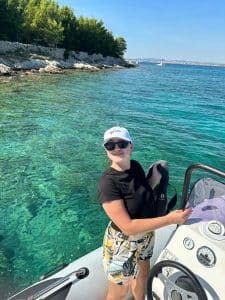
The best way to find a junior stewardess job is to use all resources and not just one single way while also networking in yachting hubs. (Remember you do not have to be in South of France. Many of our crew land jobs in Greece and our Stewardess in the image started her job search after training and found her first Yacht Stewardess job on a 55m Yacht in Turkey.

Daywork & Networking
Daywork — short-term paid work on yachts — is one of the most effective ways to secure your first permanent stewardess position.
Daywork allows you to: Prove your work ethic, Gain real yacht experience, Build references and most of all – Be recommended to other yachts and colleagues in the industry for open positions.
Networking in yachting is not about “who you know” — it’s about showing up consistently and leaving a good impression. Many first jobs come from being in the right place, such as marinas and crew bars in yachting hubs such as Croatia, Malta, Antibes, Genoa and Monaco.
Travel to a Crew Yachting Hub (Big Bonus)
Want to increase your chances fast? Fly to a yachting hotspot like:
- Antibes, France (spring/summer jobs)
- Palma de Mallorca, Spain
- Fort Lauderdale, Florida (winter/Caribbean season)
- Other popular spots we recommend are Genoa, Montenegro, Malta and Croatia.
It shows you’re serious, can step in on short notice — and gives you the chance to meet recruiters and yacht captains in person.
When Is the Best Time to Find a Yacht Stewardess Job?
Timing plays a major role in how quickly you can secure your first yacht stewardess position. While jobs exist year-round, hiring activity follows seasonal patterns, and understanding these makes a big difference.
Mediterranean vs Caribbean Yachting Seasons
The Mediterranean season typically runs from April to October, with peak hiring happening in:
-
March–May (pre-season preparation)
-
Early summer as yachts crew up
This is the busiest time for first-time stewardesses, especially in hubs like the South of France, Italy, and Spain.
The Caribbean season spans from November to March. with hiring increasing in:
-
October–November (before yachts cross or reposition)
-
Early winter for Christmas charters in St Maarten, BVI, Bahamas and Florida.
Both regions offer opportunities, but the Med season usually provides more entry-level openings, making it the most popular starting point.
The Reality of the Off-Season
Yachting and working on board Superyachts is an all-year around job. One of the best times to find work is during slower off-season times in the winter months when regular crew go on holiday and there is more time to train junior crew for Stewardess and Deckhand positions. There is also a lot less competition from other crew trying to enter the industry. During this time it is great to visit shipyard areas for yachts such as La Ciotat, Barcelona, Genoa and Tarragona. The off-season is often misunderstood.
While fewer jobs are advertised for the charter season – it is one of the best times to enter the industry and build experience for the coming season or Caribbean crossing.
Many candidates struggle not because there are “no jobs,” but because they arrive unprepared or at the wrong time. Being fully qualified and in the right location when a season ramps up is far more important than chasing dates on a calendar.
What Is the Starting Salary for a Yacht Stewardess?
Starting salaries for yacht stewardesses vary depending on:
-
Yacht size and type
-
Experience (even minimal daywork counts)
-
Season and itinerary
-
Tips on charter yachts
Rather than repeating figures here, we break down current stewardess entry-level salaries may be up to 3,000€ to, but we always recommend accepting a lower salary and be open to opportunities to build you experience.
👉 See our complete guide to yacht stewardess salary, tips, and career progression.
Common Mistakes First-Time Stewardesses Make
Breaking into the yachting industry can be easy, but many first-time stewardesses make mistakes or focus more about partying and having a holiday rather than making finding a job their only focus. If you are proactive and get help from experienced crew you will save you time, money, and frustration.
Getting to many expensive advanced Interior courses
These are great later in your career , but not mandatory for a Junior Yacht Stewardess job. You need to have an introduction or ono board Stewardess course but more certificates do not automatically make you more employable. For entry-level roles, Captains and Chief Stewardesses that view your CV, care far more about attitude, availability than a long list of certificates.
Being in the Wrong Locations
You can have the perfect CV and still struggle if you’re job hunting in the wrong place. Yachts hire in specific hubs and seasons, and applying remotely from a non-yachting location massively reduces your chances. If you are applying for the Med-season you should be in Europe and if you are applying during the winter months it is great if you are US or Caribbean based with a B1/B2 visa.
Bad Timing
Timing matters more than most people realise. Applying too early, too late, or during quiet periods often leads to silence — not rejection. Many new stewardesses assume a lack of replies means they’re not good enough, when in reality it’s simply the wrong time in the season.
Poor Presentation
First impressions count in yachting. An unprofessional CV photo, casual clothing, messy social media can cost you interviews before you ever get a chance to speak. You’re applying for a role in a luxury environment — your presentation needs to show that.
Step-by-Step Summary: How to Get Hired as a Yacht Stewardess
Becoming a yacht stewardess isn’t just a job — it’s a lifestyle. It takes effort and professionalism and following these steps can help you make the transition from land based to your first Yacht Stewardess job.
-
Complete your mandatory STCW certificates for a Stewardess
Get your STCW Basic Safety and medical certificate sorted before job hunting. -
Prepare a professional stewardess CV
Follow yacht-specific CV standards, including layout, photo, and clear availability. -
Choose the right location
Travel if you can to a yachting hub, where entry-level hiring actually happens. It does not have to be Antibes or Palma, think outside the box and consider Genoa, Barcelona, Malta or Montenegro as well. -
Time your job search properly
Are you applying for Caribbean Season or Med-Season. Make suer you have the right visas and that you availability is when peak recruitment periods happen. (March-June) and (September-October). -
Register with crew agencies
The more the better. Make sure your CV stands out and create short custom application emails and personal letters for each position. Do not send out generic applications in bulk, and do not rely on only agencies – Daywork, dock walk and use Facebook groups for Stewardess Jobs. -
Be proactive with dock walking and networking
Show up every day and Daywork and dock walk during the best times after morning meetings and late afternoons. Make sure not to disturb during break times and when guests are on board. -
Stay consistent and professional
You don’t have to do it alone. Do not give up. Treat job hunting like a job — daily effort, positive attitude and you can also do it with friends and other crew that you meet in your stewardess journey to make it more fun.
Final Advice Before You Start Applying
Almost every stewardess you see working today started exactly where you are now, with no experience and plenty of doubts.
Focus on the basics, avoid common mistakes, and don’t compare your journey to others online. Show up well-presented and show you are willing to learn and work hard. Opportunities often come quickly once everything aligns — and when they do, be ready to accept the job and get on board.
If you approach the process with the right mindset and realistic expectations, your first yacht job is far closer than you think.
Thousands of aspiring crew dream of stepping onto a Superyacht, but few take the first step. By choosing the right training, having a powerful CV, and surrounding yourself with the right crew network, you can get ahead faster. This what training providers Let Yachtiecareers guide you through your first steps into this exciting industry.