If you are from Norway and thinking about getting into yachting, you are starting from a good position. Norway has one of the strongest maritime traditions in the world, Norwegians are well regarded by Captains in the industry, and the practical skills that come from growing up around boats translate directly to life on board a superyacht. What you need is the right certification, and this page tells you exactly what that means and how to get it done.
What Is STCW and Why Do You Need It?
STCW — Standards of Training, Certification and Watchkeeping — is the international qualification that every paid crew member on a commercial yacht must hold. It does not matter whether you want to work on deck or in the interior. Without it, a Captain cannot legally hire you. It is the non-negotiable starting point for any career in yachting.
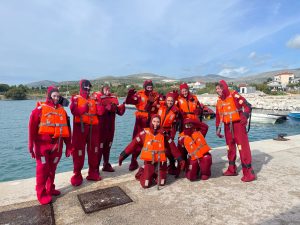
The course covers four practical areas: firefighting, sea survival, first aid, and personal safety. It takes five days and the certificate is recognised on commercial vessels worldwide. Once you have it, you are legally cleared to work on any yacht that requires it — which is every commercial yacht in the world.
Can You Do STCW Training in Norway?
Yes. There are maritime training providers in Norway operating under the Norwegian Maritime Authority (Sjøfartsdirektoratet) that offer STCW Basic Safety Training. If you want to stay local for the course, that is possible.
Most Norwegian crew we work with choose to travel to Split, Croatia instead — roughly a two-hour flight from Oslo or Bergen. The reason is that doing your training in Split with us means you complete everything in one place: STCW, your deckhand or stewardess training, your medical certificate, your CV, and your job search preparation — all in a single week. That is faster and more efficient than doing STCW in Norway and then having to organise each of the other steps separately from different providers.
What Else Do You Need Beyond STCW?
STCW gets you legally cleared, but it is not the only thing Captains want to see. Before your first contract you should also have:
- Seafarer medical certificate — in Norway issued by a Sjøfartsdirektoratet-approved doctor. The Norwegian version is accepted on all yachts worldwide, the same as the UK ENG1 or any other national equivalent
- STCW Security Awareness — required for all crew on commercial yachts, completed online in a few hours
- PDSD (Personal Designated Security Duties) — expected of all deck crew, also online
- Food Hygiene Level 2 — required for interior crew who handle food on board
Read our full qualifications checklist for yacht crew for everything in the right order.
Where Do Norwegian Crew Work?
The superyacht industry is based in the Mediterranean. The main season runs April to October across France, Spain, Italy, Croatia, Greece, and Montenegro. After the Med season ends, a large part of the fleet crosses to the Caribbean for the winter season from November to April.
From Norway, getting to the main yachting hubs is easy — Oslo and Bergen both have direct or one-stop connections to Nice, Palma, Barcelona, and Split. Norwegian crew are also well regarded in the industry: strong work ethic, good English, and a natural comfort around the sea. The only thing that holds most Norwegian candidates back is not having the certificates sorted before they start looking. Get those done first and the doors open quickly.
For where to position yourself when you start looking for work, read our guide to the best places to find a yacht job in the Mediterranean.
What Do Yacht Crew Earn?
Entry-level crew — junior deckhand or third stewardess — earn between $2,500 and $3,500 per month. All accommodation, food, and travel is covered on board, so your expenses are minimal. After one or two seasons, experienced crew move to $3,500–$4,500. Senior roles on larger yachts reach $6,000–$10,000 and above. Charter yachts pay crew tips on top of base salary — $500 to $2,000 per crew member per week during busy charter periods is common. Read our full crew salary guide for a breakdown by role and experience level.
How to Get Started
The most efficient route from Norway to your first contract is to fly to Split, complete your training week, and leave certified and job-ready. We cover STCW, PDSD, Security Awareness, Food Hygiene, and your medical certificate in one package. We write your CV, take your crew photo, and provide direct job search support from day one — including access to our crew WhatsApp community where Captains and crew managers post positions directly.
View our deckhand training packages or stewardess training packages. If you want to talk through your specific situation first, book a free call with our team. You can also read what our students say on our reviews page.