Are you are thinking about becoming a Deckhand and completing Junior Deckhand Yacht Training with STCW ? Quit the 9-to-5 for something more exciting, landing your first deckhand job might seem confusing — but it doesn’t have to be.. The idea of working on the water, traveling the world, and doing something different from the 9-to-5 grind is seriously appealing. This is written for new crew with little or no yacht experience, to make the transition to Yachts easy.
But if you’re just starting out, it probably feels a bit overwhelming, right? Everyone talks about STCW, dockwalking, and yachting hubs like you’re supposed to just know how it works. Truth is, most of us were confused at the beginning too.
This guide is here to walk you through it step by step — no fluff, no jargon. Just the real deal on how to get a deckhand job on yachts, what to expect, and how to actually land your first role in the yachting industry.
Is a Deckhand Job Right for You? (Reality vs Expectations)
A yacht deckhand is the hands-on crew member responsible for the exterior of the vessel. You’re part of the team that keeps everything running smoothly, looking pristine, and functioning safely. Some days you’ll be washing down the superstructure. Other days, you’ll be handling lines during docking, driving tenders, or launching jet skis.
It’s physical, hands-on work — but if you enjoy being outdoors, working in a team, and learning practical skills, it’s one of the most exciting entry-level yacht jobs out there.
What Does a Yacht Deckhand Actually Do?
Deckhands are the backbone of a yacht’s exterior operation. You’re the one keeping the vessel polished, safe, and guest-ready. It’s physical, technical, and often the entry point into the deck department.
Your daily tasks may include:
- Cleaning, polishing, and maintaining the yacht’s exterior
- Assisting with docking, mooring, and tender driving
- Helping guests with watersports equipment
- Learning navigation and safety systems over time
Deckhand Responsibilities on Board
This is where the fun starts, you are responsible for the exterior of the yacht which includes wash downs, painting, polishing, water-sports, jet ski guest operations and maybe most challenging – tender driving. A key skill is on board radio communication and to have clear communication skills on the Yachts VHF radios.
Interior vs Exterior Work (What New Deckhands Don’t Expect)
On smaller yachts you might need to help out in all departments including the interior. What most deckhands do not know is that for a large portion of the year (off-season), the work is hands-on maintenance — removing rust, painting, larger carpentry jobs, and general upkeep of the yacht.
Minimum Requirements to Work as a Deckhand
You don’t need a university degree to get a deckhand job on yachts, but you do need a few essential maritime certifications
before you can be hired legally.
STCW Basic Safety (What It Is and Why It’s Mandatory)
This is your key qualification and certificate to get into the yachting industry. It’s a 5-day course covering firefighting, first aid, sea survival, and safety procedures. You can’t work on yachts without it.
Some training providers offer all-inclusive STCW yacht training packages, with included Deckhand on board training. They make it simple — training, CV help, and job guidance all in one place. It’s designed for people who want to start their yacht career with real support.
Medical Certificate (ENG1 or equivalent MLC Accepted Medical certificate)
This is a checkup from an approved doctor to confirm you’re fit to work at sea. Every yacht job requires it.
Visas and Right to Work (What Really Matters)
There is not a visa specifically enabling you to work on Yachts. As you are crew you get signed on board the crew list and stamped out from the country the Yacht is in. The important part is that you have the right to be in Schengen before joining the Yacht if in Europe. If you work in Caribbean or US – all crew are required to have a B1/B2 Visa. Another document that adds great value to your Deckhand CV is the Seaman’s Discharge Book.
Extra Yacht Qualifications That Make a Junior Deckhand More Employable
RYA Powerboat Level 2
– Essential if you need to drive tenders or on board for the guests and crew. You learn this on the job, but you need a certificate to be able to do it legally. This is a long learning process to master it fully and not something expected from Junior crew.
Security Awareness and PDSD (When You Actually Need Them)
You need this because of ISPS regulations for Yachts. As a Deckhand you are doing a lot of Security duties on board, gangway watches and daily security rounds. This certificate has become mandatory on commercial and private large yachts and is something you should have before starting to work on board as a Deckhand.
How to Get a Deckhand Job With No Experience
For anyone wondering how to become a deckhand or land their first junior deckhand job, the process is actually pretty straight forward.
What new junior deckhands find challenging is that every yacht seems to want “at least one season.” You might send 30 CVs and not hear back. Or show up in Antibes ready to work and feel invisible on the docks the first week. That’s totally normal, and it doesn’t mean you’re not cut out for yachting. Everyone starts somewhere. Persistence, networking, and being in the right place at the right time really do pay off.This is where you need to get proactive. Some of the best places to start your yacht job search.
Yacht Crew Agencies (How to Use Them Correctly)
- Yotspot – Focused on superyacht crew jobs
- Crewseekers – Includes sailing and delivery work
- Bluewater Yachting – Includes jobs, courses, and crew placement
- Facebook groups – Great for seasonal work and networking
Dock walking and Daywork (How It Really Works)
- Dock walking – Gain experience by dock walking and finding daywork. Visit Marinas in France, Italy, Croatia, Spain, Greece, Malta, Turkey, Florida and other yachting hubs.
- Daywork – You get temp Deckhand jobs for a day or a week and build your experience and yachting network. These jobs usually pay a day rate starting from 100€/day.
Why Timing and Location Matter More Than CVs
If you want guided help finding a junior yacht deckhand job – Yachtiecareers – with included the dock walking , day working and job search seminars and you can start in groups with other Deckhand crew.
Where and When to Look for Deckhand Jobs
And yes, dock walking still works. If you’re in Fort Lauderdale, Palma, or Antibes — dress sharp, carry CVs, and go dock to dock asking for daywork. It’s how many yacht crew get their break.
Mediterranean vs Caribbean Seasons
The two main seasons. The Med-season is almost all year around with recruiting starting as early as February/March and the season finishes October/November time. Even during the winter period there is huge demand for deckhands to do yard periods and maintenance jobs.
Caribbean season is from November-April. Many yachts based in the Med do an Atlantic crossing with yacht crew and deckhands before doing the season in St Maarten, Florida, Antigua, Bahamas and British Virigin Islands. In Florida the 2 main yachting hubs are Fort Lauderdale and Rybovich. Usually they would re-locate back to the Mediterranean around March/April time to get ready for another Med-season.
Best Entry-Level Locations for New Deckhands
The best option is to be in the south of Europe. Good yachting locations are Croatia , Italy , France , Montenegro and Spain. And you can find yacht deckhand jobs all year around in these locations, with peak recruitment taking place March-June and August-September.
Your Deckhand CV: What Captains and Officers Actually Look For
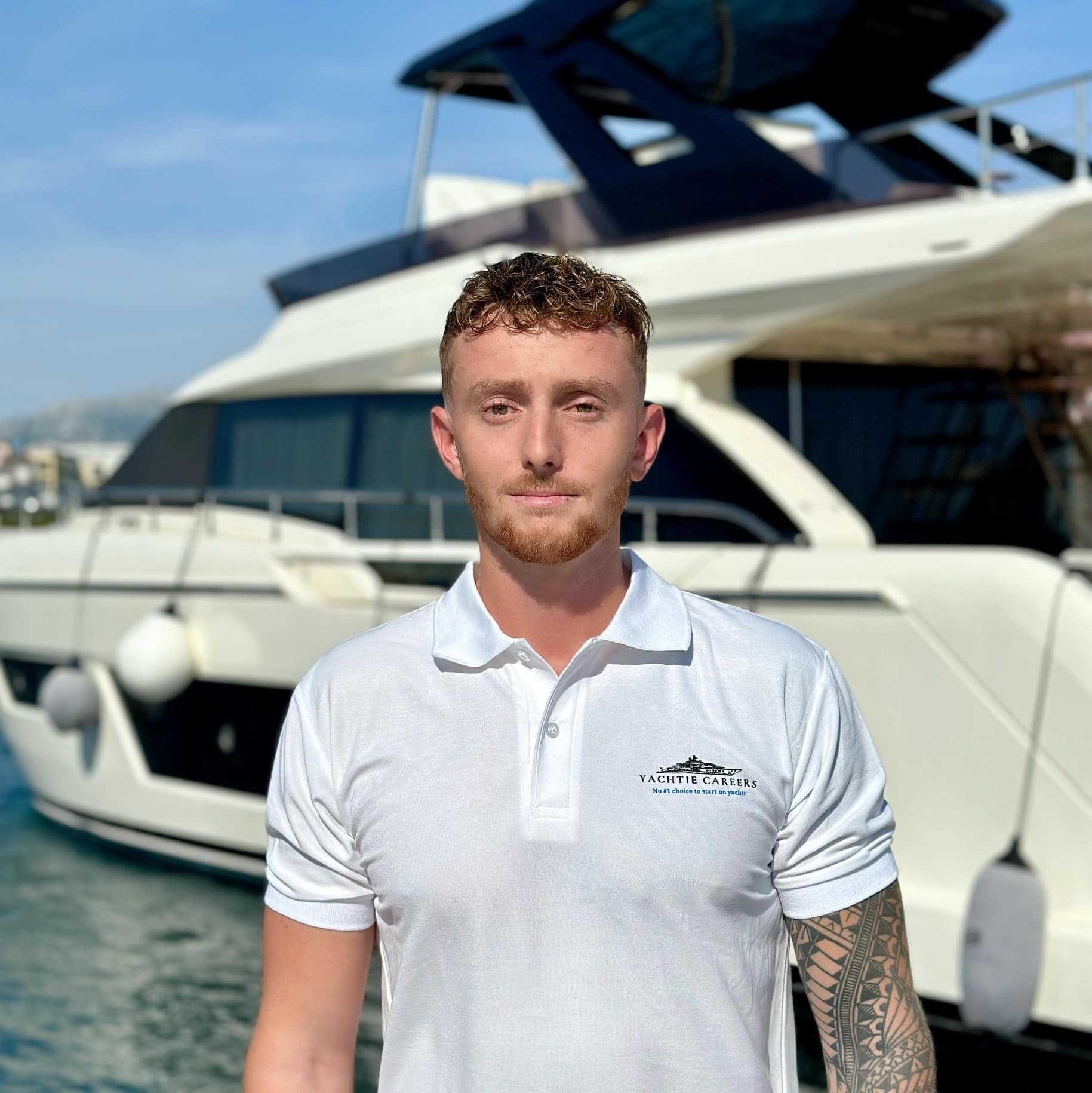
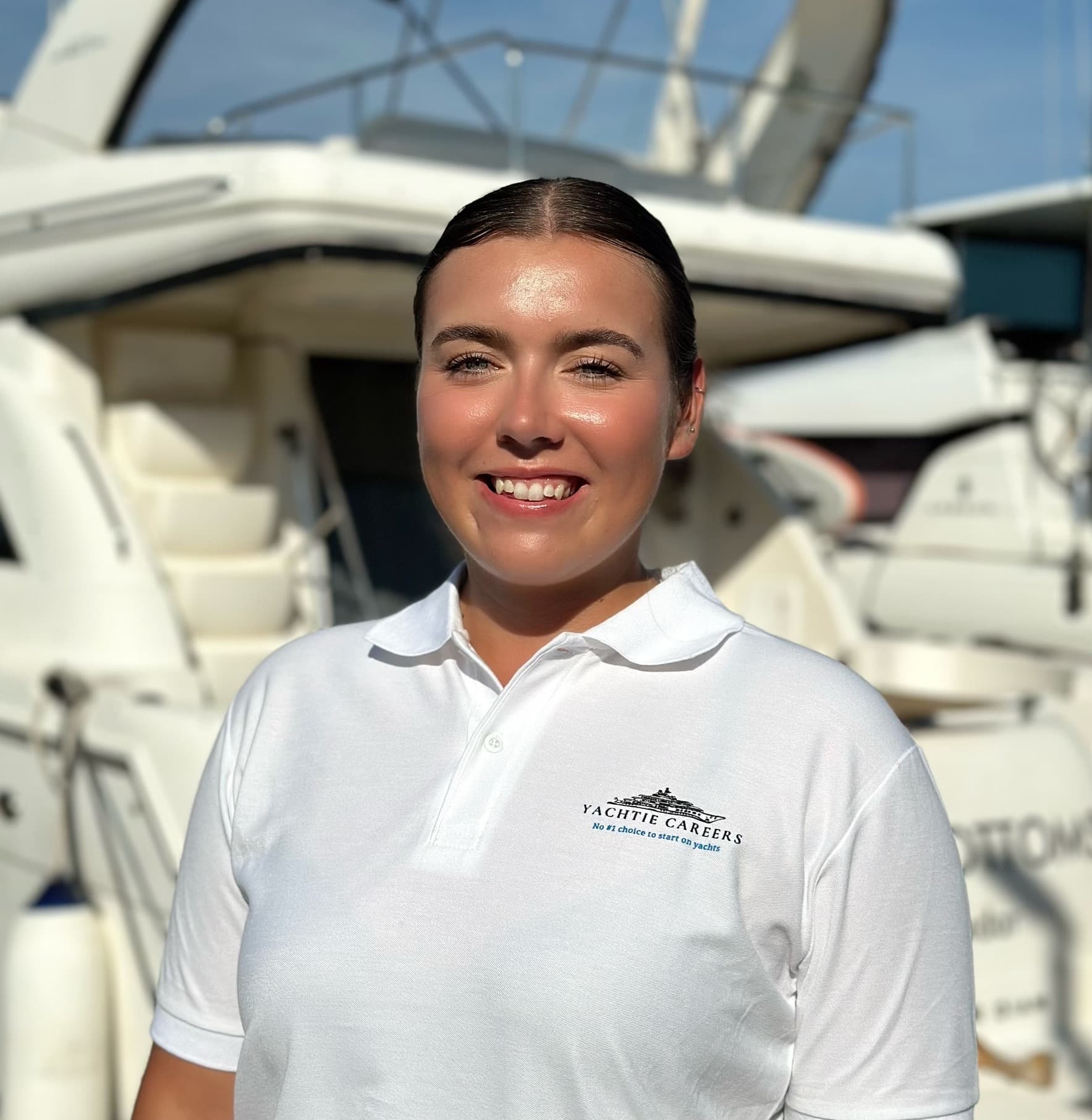
As Yacht Captains and recruiters we look for longevity, that your are fully STCW qualified, in the right locations, and that you are available. You should look presentable like yacht crew with a Polo shirt on your Deckhand CV photo.
CV Format and Structure
You should follow a Yacht Deckhand CV structure and include certifications, personal information, experience, visas and documents. Also important is Hobbies, References and Education. This makes us understand your character and if you will fit well in with the rest of the crew on board.
Make sure to include: Any past experience or hobbies that are relevant for yachting. It can be anything from golf, tennis, skiing, cycling, running to, military background, mechanics, or outdoor work.
Photos, References, and Common Mistakes
Always include written reference letters and do not take a Deckhand CV Photo where you wear sunglasses, not being dressed like a Yacht Deckhand or not being in a marina for the Yacht CV Photo.
Deckhand Salary, Tips, and Progression
Travel the World (and Get Paid). Explore remote islands, glamorous ports, and luxury hideaways — all while earning a pay check and building a serious skillset. You’ll work with international crew, form deep friendships, and become part of a lifestyle that’s equal parts work and adventure.l.
Starting Salary for Junior Deckhands
Most junior deckhands salaryies range from €2,500–€3,000/month, often tax-free. Add in tips, free meals, no rent, and travel — it’s a lifestyle with financial upside.
How Pay Increases With Experience
If you’re serious about becoming a yacht deckhand, here’s what I’d do today. From deckhand, you can grow into bosun, officer, or even captain. Some crew branch into engineering, diving, or watersports. The growth potential is real.
Common Mistakes That Stop Deckhands Getting Hired
- Starting to look without booking your STCW and ENG1
- Not having a professionally written Deckhand CV with yacht-optimised layout.
- Forgetting to use online agencies and social tools. It’s important to job search everywhere including Yotspot and relevant Facebook groups
- Some start in a remote location with commercial STCW for cargo ships and have to start alone without being in the right place with the right people. With a Yacht STCW Training provider like Bluewater, Seven Seas in Florida or Yachtiecareers in Europe you will be part of a community and get to know friends for job support and during training.
- Not being consistent. Do something each day, walk the docks, apply with agencies, update your CV. Even 15–30 minutes per day makes a difference.
Frequently Asked Questions About Yacht Deckhand Jobs
If you’re dreaming of working on yachts, you don’t need to wait. This guide gives you the starting map, and the rest is about showing up, learning fast, and staying humble. Every deckhand started somewhere — and this is where you start.
How long does it take to get your first job?
If you are proactive and ready to work you can get a Deckhand job following your STCW and Deckhand Yacht Training. Usually you should be prepared to job search daywork for at least a few weeks. To complete the training takes only 10 days, and you are job ready straight after.
Do you need previous maritime or Yacht experience?
Previous experience that is relevant always helps. Especially in Tender driving, water sports and carpentry. But whether you’re in your 20s looking for an adventure, or changing careers later in life you have the chance to secure a junior Deckhand job with the right attitude and mindset.
Is yachting a long-term career or a short-term job?
You can work for a day or a week as a temporary dayworker, but ideally you start with that to get experience and then progress to a seasonal or permanent deckhand contract with medical insurance, flights included and annual leave packages. With the right attitude you will learn fast and progress fast. With more experience and courses your can progress to lead deckhand, bosun, officer and finally a Yacht Captain.
Final Advice From real Yacht Deckhands and Yacht Officers
Starting your yacht career doesn’t have to feel like doing it all alone. One of the best things about Yachtiecareers is that it’s not just about certifications — it’s about community.
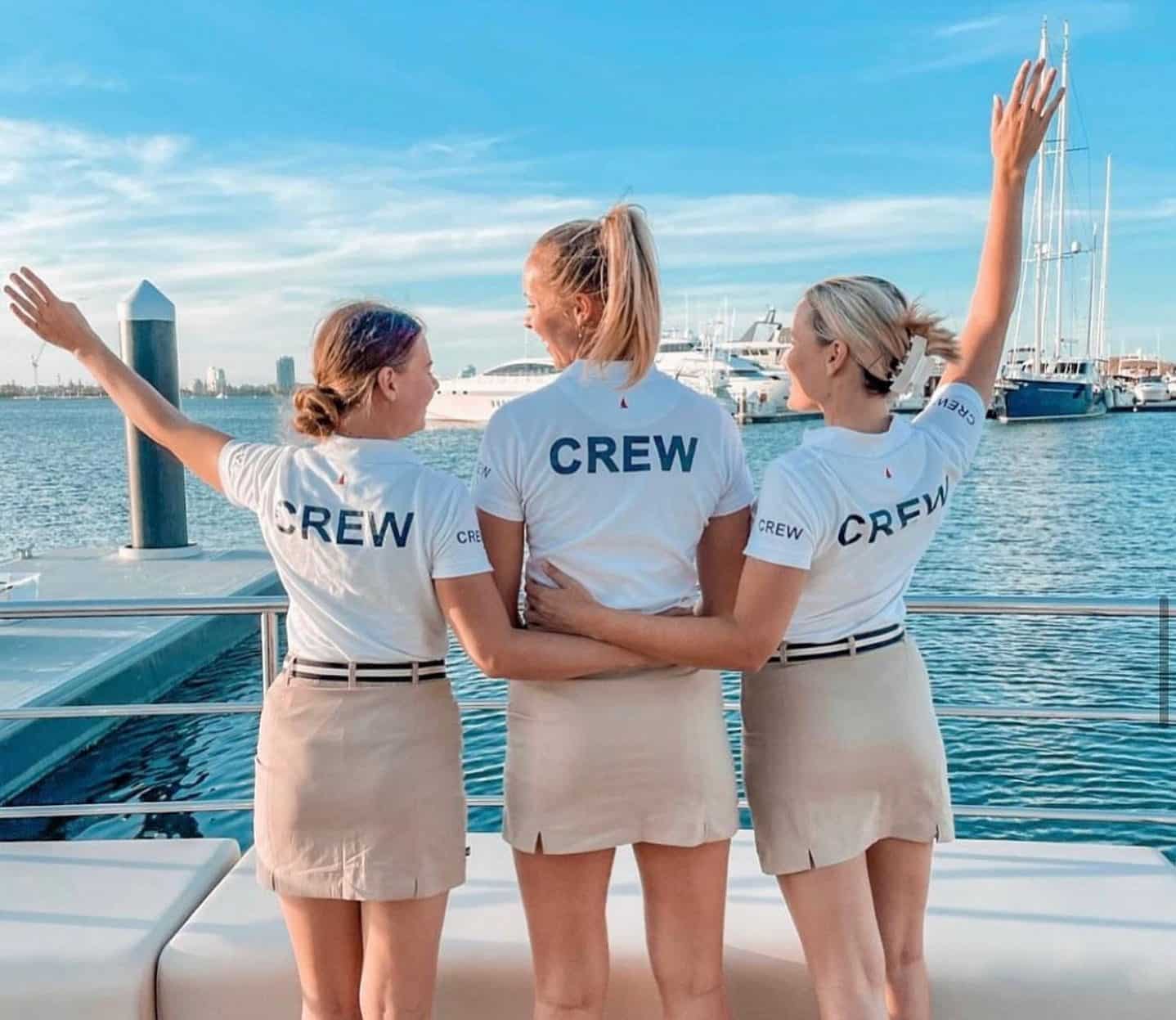
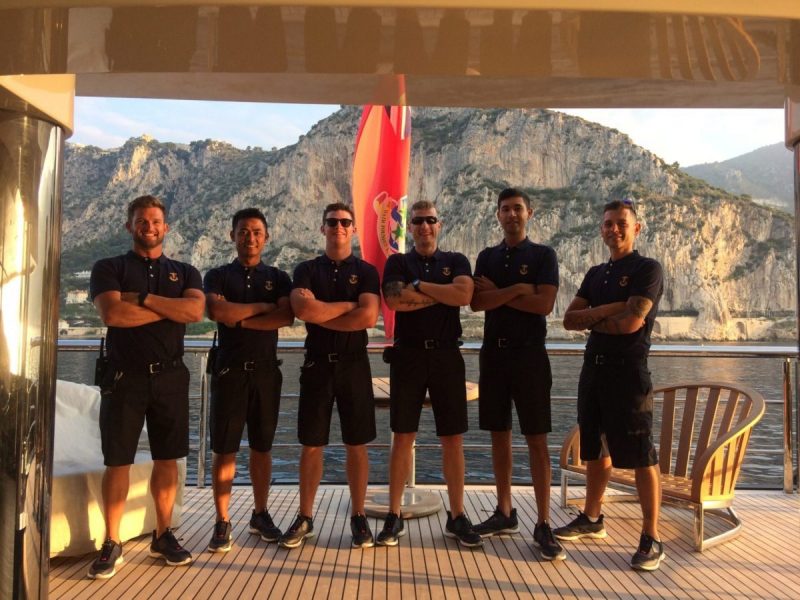
When you train with Yachtiecareers, you’re not just signing up for a course. You’re joining a crew of like-minded people from all over the world who are also starting their journey. Many students travel together, share accommodation, and even land their first deckhand jobs side by side.
That support network makes a huge difference — whether it’s sharing interview tips, dock walking together, or just having someone to lean on in a brand-new industry.
And once you’re in, you stay connected. Students often come back to help new students, refer job leads, and share real-life experience from the deck. It’s a global crew that truly has your back.