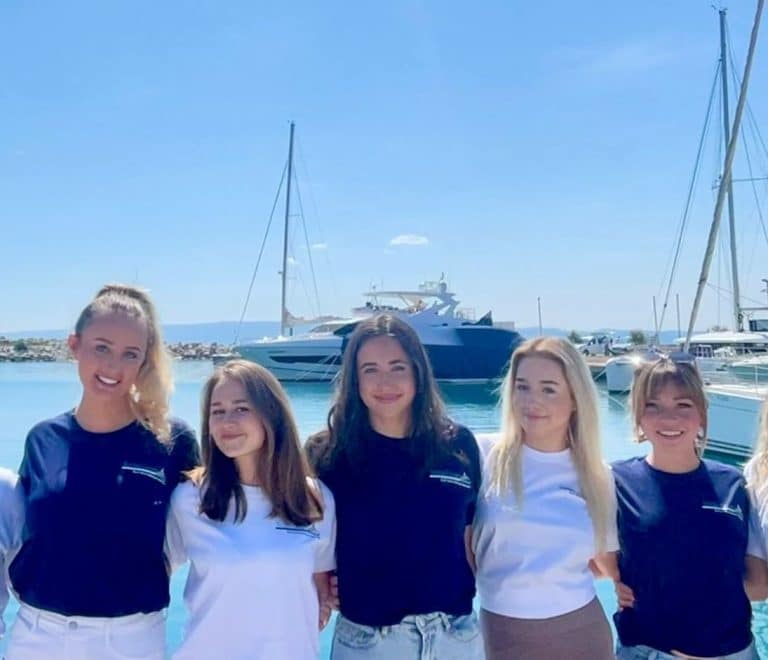
Yacht Stewardess Training in Southampton: Why the Solent Is a Strong Starting Point
Southampton has genuine advantages over most UK cities for crew starting out in professional yachting. Warsash Maritime Academy at Solent University is one of the most respected maritime training institutions in Europe — used by commercial shipping, naval, and superyacht crew alike. The Solent itself — Hamble, Cowes, Ocean Village Marina — has more active yachting than almost anywhere else in the UK. Southampton has direct ferry routes to France and Spain, meaning getting to the Mediterranean costs less from here than from most UK cities. But stewardess training in Southampton is the starting point, not the destination. The professional superyacht jobs — the ones that pay $3,000–$8,000 per month — are in the Mediterranean and Caribbean. This guide covers exactly what training you need, how much stewardesses earn at every level, and how Southampton-based crew make the transition to working superyachts.
What Does a Yacht Stewardess Course Cover?
There are two separate qualifications you need before any chief stew or captain will consider you for a stewardess position. Understanding the difference between them matters.
1. STCW Basic Safety Training (in-person, 4–5 days)
Required by the Maritime and Coastguard Agency (MCA) for all paid crew on commercial yachts over 24 metres. Southampton is one of the best places in the UK to do this — Warsash Maritime Academy and other Solent providers offer regular course dates. The four STCW modules:
- Personal Survival Techniques — survival suits, life raft deployment, EPIRB operation, cold water survival, emergency signals
- Fire Prevention and Fire Fighting — fire classes, extinguisher selection, breathing apparatus use, live fire drills, yacht-specific fire risks
- Elementary First Aid — CPR, AED use, wound management, burns, shock, remote medical care
- Personal Safety and Social Responsibilities — ISM code, alcohol and drug policy, muster duties, crew conduct
For the full breakdown of what each module involves, read our STCW Basic Safety guide and our complete Yacht Crew Certifications guide.
2. Superyacht Stewardess Skills Training (online)
This is the qualification that makes you employable — not just legally permitted to be on a yacht. The standard of service expected on a 40m+ superyacht is well above hotel or restaurant level. A stewardess course covers:
- Formal dining and silver service — table setting, cover layouts, sequence of service by course, service styles for different nationalities and preferences
- Wine, champagne, and beverage service — pairing principles, serving temperatures, decanting, champagne protocols, cocktail basics, premium spirits knowledge. Large yachts regularly expect WSET-level competency
- Interior housekeeping — cabin turndown service, laundry including delicate fabrics and designer garments, high-end surface care, polishing silver and crystal, housekeeping documentation
- Guest relations and UHNW etiquette — preferences sheets, privacy protocols, managing special requests, owner versus charter guest dynamics, complaint handling without escalation
- Provisioning and inventory — working with the chef, sourcing in Med and Caribbean ports, cost control, stock management systems
- Interior styling and floristry — presentation standards for charter yachts, seasonal flower arrangements, sourcing in port
Our Superyacht Stewardess Training is done entirely online — complete it from Southampton alongside your Warsash STCW. You arrive at the docks in Palma or Antibes already qualified, not looking for additional courses on arrival. We provide 24/7 support throughout the course and full job search assistance after you finish. Book a free call to get your plan in place.
How Much Do Yacht Stewardesses Earn?
This is the question most crew ask first. The honest figures, at every career stage:
Third Stewardess — Entry Level
$2,500–$3,500 per month, all accommodation and food covered. This is the starting salary for crew with STCW and stewardess certification but no previous yacht experience. On a yacht based in the Mediterranean, you are looking at take-home pay that significantly outperforms the equivalent land-based hospitality role once you account for zero living costs.
Second Stewardess — After 1–2 Seasons
$3,500–$4,500 per month. At this level you are managing more of the service programme, taking direct ownership of certain guest cabins, and supporting the chief stew with provisioning and scheduling.
Chief Stewardess
$5,000–$6,500 per month on 40–50m yachts. $7,000–$10,000+ per month on 60m+ superyachts. The chief stew role is a genuine senior management position — you are running the interior department, managing crew, controlling the interior budget, and being the direct interface between owners and the guest experience.
Tips
Charter yachts pay crew tips on top of base salary. Mediterranean charter tips typically run $500–$2,000 per week split between interior crew. On high-end charter yachts with wealthy American or Middle Eastern guests, tips regularly exceed this. Private yachts generally do not pay tips — clarify during your interview whether the vessel has an active charter programme. The superyacht sector pays significantly above standard maritime hospitality rates. For the complete breakdown by yacht size and experience level, see our Yacht Crew Salary Guide.
How to Get Into Yachting as a Stewardess From Southampton
Southampton has practical advantages most UK cities do not have — but the path into professional yachting still requires the same steps:
- Book STCW at Warsash or a Solent provider — Southampton has some of the best STCW availability in the UK. Book early as popular dates fill weeks in advance.
- Complete online stewardess training — start this immediately, it can run alongside your STCW preparation. Our course takes 2–3 weeks from your laptop.
- Get your ENG1 medical certificate — required by most commercial yachts before joining. Booked through an MCA-approved doctor.
- Book travel to the Mediterranean for March or April — Southampton has Brittany Ferries services to St Malo and Bilbao, making it cheaper to reach southern Europe than flying from most UK airports. Use this.
- Dockwalk in Palma de Mallorca or Antibes — walk the marinas, hand your CV to officers on watch, be visible, be persistent. This is still the most effective job search method.
- Register with crew agencies in person — in Palma: Palma Crewing, Viking Crew. In Antibes: multiple agencies concentrated near the port. In-person registration is treated differently from online submissions.
- Take every day worker offer — the best day workers always get offered full-time contracts. Never turn down a day’s work in your first month.
Our team supports you through every step — including which agencies to prioritise, what to say during dockwalking, and how to structure your CV for the chief stew reviewing it in 30 seconds. Book a free call and we will map out your personal plan. See what our students say about the job search support on our reviews page. For the full written strategy, read our
How to Get a Yacht Stewardess Job guide.
Best Mediterranean Ports for Stewardess Job Searching
Southampton crew have a geographic advantage — cheaper ferry routes to France and northern Spain mean you can arrive in the Med with more money left for accommodation during the job search period.
- Palma de Mallorca, Spain — largest superyacht base in Europe. Year-round crew market. Strong dockwalking culture. Multiple crew agencies. Best overall starting point for new stewardesses.
- Antibes, France — highest concentration of crew agencies in the world. Within driving distance of the St Malo or Bilbao ferry routes. Peak hiring in April and May.
- Split, Croatia — fastest-growing Med hub, significantly cheaper cost of living, strong Adriatic season June through September. Good for crew who want to stretch their budget during the job search.
- Athens / Piraeus, Greece — gateway to Greek islands charter season. Active hiring in April for the Eastern Med circuit.
Arrive in March or April. Do not arrive in high season when every position is already filled. For timing and location strategy, read our guide to the best time to find a yacht job in the Med.
Mediterranean vs Caribbean for Southampton Stewardesses
Mediterranean (May–October): The world’s largest superyacht fleet. European and Middle Eastern charter guests with demanding service expectations. Fastest route to chief stew level because of the scale of vessels and complexity of interior operations. The June–August peak in Monaco, Sardinia, Mallorca, and Croatia is the most intense — and the most rewarding — work in the industry.
Caribbean (November–April): Fort Lauderdale, Bahamas, BVI, Antigua. American charter guests with higher tips. More relaxed pace overall. Strong entry-level market in Fort Lauderdale for new stewardesses willing to start as day workers. Many yachts cross from the Med to the Caribbean for winter, meaning year-round employment on the same vessel for crew who perform.
UK Crew Visa Requirements Post-Brexit
UK passport holders enter the Schengen zone as visitors with 90 days visa-free — Spain, France, Italy, Croatia, Greece, and most of the Mediterranean. The UK Government travel guidance for France confirms the conditions for Antibes-based crew. 90 days is more than sufficient to complete any remaining training and secure your first yacht position. Once working as paid crew on a commercial vessel the rules change — read our Yacht Crew Visas Guide for how the crew-specific visa situation works in practice.
All-Inclusive Training With 24/7 Support — Why It Matters
Most training providers give you a certificate and send you on your way. We do not work like that. Our training is designed by working superyacht professionals — Antonija is an active Chief Stewardess, not a hospitality trainer who has adapted a hotel curriculum for boats. The content reflects exactly what happens on the yachts you are trying to get on. After you complete training, we stay involved. Job search support includes CV review, interview coaching, dockwalking strategy specific to your target port, and guidance on which crew agencies to approach and how. We also provide 24/7 support throughout training — any question, any time, answered by people who have done the job. Read what students say — including Southampton and Solent crew who completed our programme and landed Med positions — on our reviews page. Then book a free call with our team.
Start Your Stewardess Training
Our Full STCW and Stewardess Training package covers everything — online stewardess training completed from Southampton, STCW booking guidance, and full job search support. For the most comprehensive preparation including additional certifications, our Premium STCW and Stewardess package puts you ahead of the standard applicant pool. Book a free call and we will tell you which is right for your situation and timeline.